
Professional Foot Care
Home + Professional Foot Care
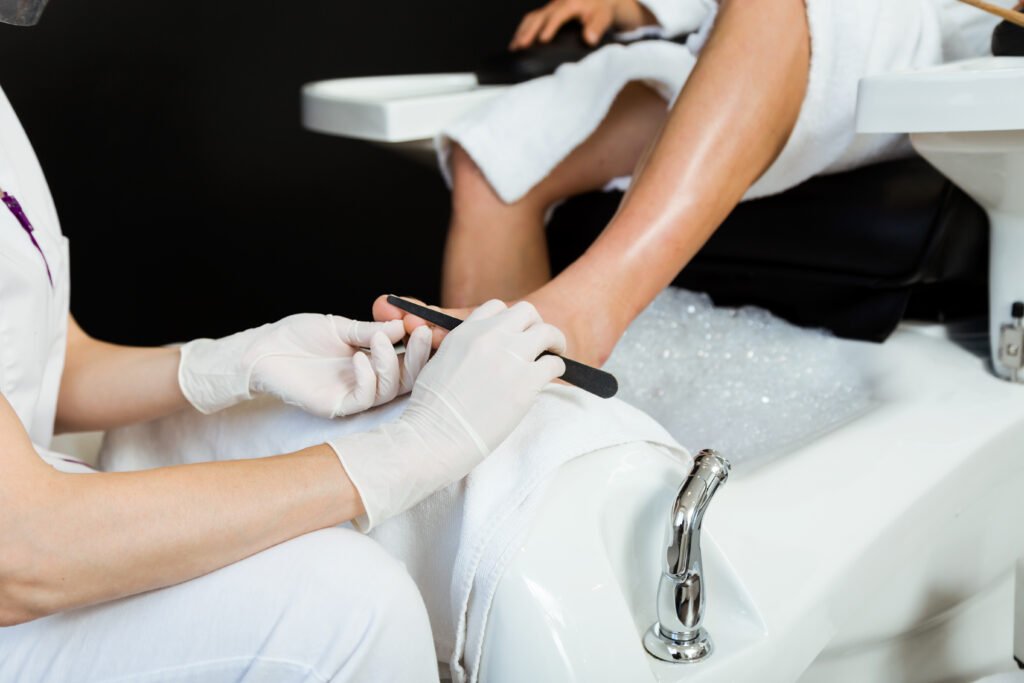
Feet support every step you take, yet they’re often overlooked. Professional Foot Care combines expert techniques and specialised products to treat, prevent, and manage foot concerns — promoting comfort, strength, and overall foot wellness.
Whether you’re dealing with dryness, cracked heels, calluses, or nail issues, professional foot care delivers precise care that goes beyond basic grooming.
What is Professional Foot Care
Professional Foot Care refers to targeted treatments performed by trained specialists or through high-quality therapeutic products
Enhanced Comfort
Expert treatments ease pressure, pain, and irritation.
Improved Foot Health
.
Prevents infections and common foot problems.
Hydration Boost
This all-in-one treatment begins with thorough skin.
Smoother Skin
Exfoliation and hydration restore softness.
Why Foot Care Is Important
Feet experience constant pressure, friction, and exposure to environmental stress
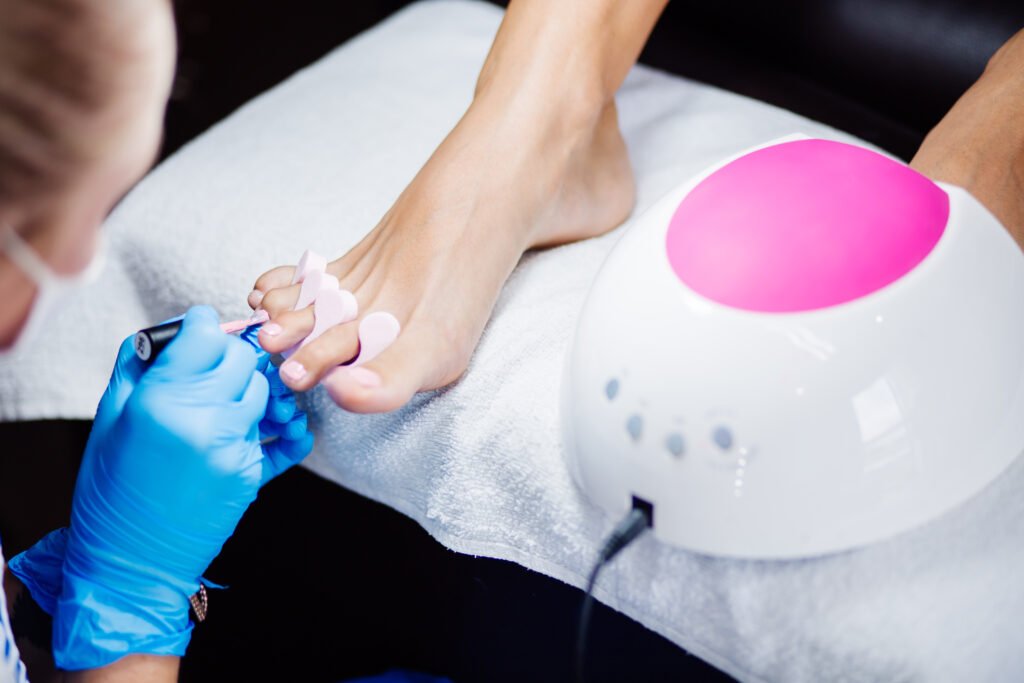
Core Benefits of Professional Foot Care
Professional foot care keeps your feet healthy, comfortable, and looking their best with expert attention and targeted treatments.
Enhanced Comfort
Expert treatments ease pressure, pain, and irritation.
Improved Foot Health
Prevents infections and common foot problems.
Smoother Skin
Exfoliation and hydration restore softness.

Frequently asked question
For most people, a monthly or bi-monthly routine keeps feet in optimal condition — but individuals with specific concerns may benefit from more frequent care.
Yes — targeted hydration and exfoliation significantly improve cracked, rough skin.
Foot soaks help soften skin, reduce tiredness, and prepare feet for deeper care — making them a great add-on.
Most products are suitable for all ages, but those with sensitive skin or specific medical conditions should consult a specialist.